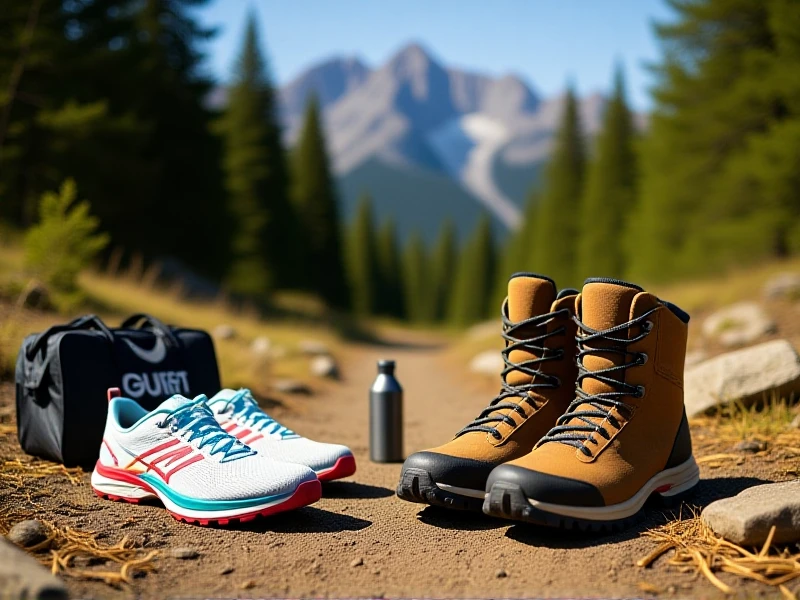
Ultimate Guide to Choosing Your Perfect Pair of Hiking Boots
Here is a 400-word SEO article focused on the keyword "Hiking Boots", written in natural English and designed for a website:
Hitting the trail demands reliable footwear, and the foundation of every great hike starts with the right pair of hiking boots. Whether traversing rocky mountain paths, navigating muddy forest tracks, or embarking on a coastal walk, investing in proper boots isn't just about comfort; it's crucial for support, safety, and enjoyment.
The best hiking boots offer more than resilience; they form a dynamic partnership with your feet. Key features to consider are:
- Solid Ankle Support: Taller hiking boots provide essential stability on uneven terrain, reducing the risk of twists and sprains. For well-maintained trails, lighter mid-cut or low-cut options ("hikers") might suffice.
- Superior Traction: Aggressive lug patterns on durable rubber outsoles grip varied surfaces like loose rock, dirt, and wet roots. Vibram soles are renowned for their grip and longevity.
- Waterproof Performance: For tackling streams, mud, or unpredictable weather, waterproof hiking boots are often indispensable. Look for technologies like GORE-TEX® membranes that keep feet dry while allowing moisture vapor (sweat) to escape.
- Effective Cushioning & Support: Midsole cushioning absorbs impact, while the boot's internal structure (last) and supportive footbed provide arch support and help cradle your foot securely. Good torsional rigidity prevents excessive twisting.
- Protective Toe Cap: Often reinforced with rubber, this shields your toes from stubs on rocks and roots.
- A Secure Fit: Finding the best hiking boots means prioritizing fit above all else. They should feel snug (not tight) around the heel and midfoot, with ample room to wiggle your toes, especially on downhill sections. Remember to try them on with the hiking socks you'll be wearing. Account for potential foot swelling on long hikes.
Choosing materials matters too. Full-grain leather hiking boots are incredibly durable and naturally water-resistant but require break-in. Split-grain leather combined with tough nylon mesh offers lighter weight, faster drying, and good breathability, though less waterproofing unless a liner is added. Synthetic materials are often used in ultralight hiking boots, excelling at drying quickly.
Don't overlook the importance of breaking in new hiking boots. Start with short local walks before tackling long backcountry treks. This moulds the boot to your foot and prevents painful blisters. Regular care, including cleaning off mud and applying conditioner (for leather), extends the life of your investment.
Beyond the Boot: Consider socks (technical, moisture-wicking wool or synthetic blends are best) and gaiters for additional scree or mud protection for serious hikes. Insoles can also personalize support and comfort.
The perfect hiking boots empower your adventures. By understanding core features, prioritizing fit, and ensuring they match your terrain and trip duration, you'll find the ideal pair to carry you mile after exploring mile. Your feet, ankles, and overall hiking experience will thank you. Ready to explore? Ensure your foundation is solid—step into the right hiking boots today.