The Ultimate Guide to Choosing Your Perfect Hiking Boots
Every adventure starts from the ground up, and that means your footwear is non-negotiable. Picking the right hiking boots isn't just about comfort; it's about safety, performance, and enjoying your trek to the fullest. Here’s how to find your ideal pair.
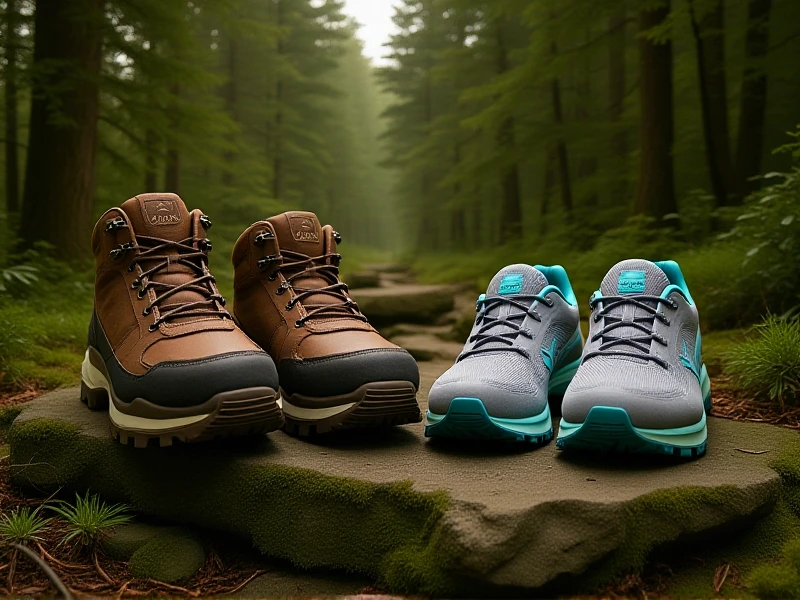
First, understand the terrain. Are you tackling well-maintained paths or scrambling over rocky mountainsides? Lightweight hiking shoes or trail runners excel on easy trails, offering flexibility and breathability. For uneven terrain, moderate ankle support, and day hikes loaded with gear, mid-cut hiking boots are the sweet spot. They offer more stability than shoes. For serious backpacking with heavy loads, demanding ascents/descents, or deep mud and scree, high-cut backpacking hiking boots provide maximum ankle protection, critical support, and enhanced durability. Choosing the wrong height or support level for your activity leads to fatigue or injury.
Waterproofing is crucial for comfort across seasons. A quality waterproof membrane like Gore-Tex combined with treated leather or synthetic uppers keeps feet dry crossing streams or in wet weather. Look for hiking boots specifically labeled as waterproof. For hot, dry climates or known dry trails, breathable non-waterproof options prevent sweaty feet and dry quickly.
Don't underestimate fit! Always try boots on later in the day when feet are naturally swollen. Wear the hiking socks you plan to use. There should be enough room to wiggle toes. Your heel should be locked down with minimal vertical slippage. Walk on inclines if the store has a ramp. Ensure no significant pressure points; boots will mold slightly but won't drastically "stretch out". Brands vary significantly in width and volume, so try multiple options. Never compromise on fit – blisters ruin hikes faster than rain.
The sole unit is your connection to the trail. Vibram soles are legendary for long-lasting grip on varied surfaces. Look for deep, multi-directional lugs that shed mud and bite into rock and dirt. A moderately stiff midsole provides stability and protects feet from sharp rocks, while too much rigidity can feel unnatural on flatter trails.
Lastly, consider durability and weight. Full-grain leather offers the best protection and longevity but requires more break-in and weighs more. Split-grain leather combined with synthetic fabrics (like nylon) reduces weight and improves breathability at a potentially lower durability cost. Synthetic options are often lightweight and quick-drying out of the box.
Investing time in selecting the right hiking boots tailored to your adventures pays dividends in miles of comfort and confidence. Proper care, including cleaning and conditioning leather models, extends their life. Lace up the right pair and feel ready for wherever the trail leads!